
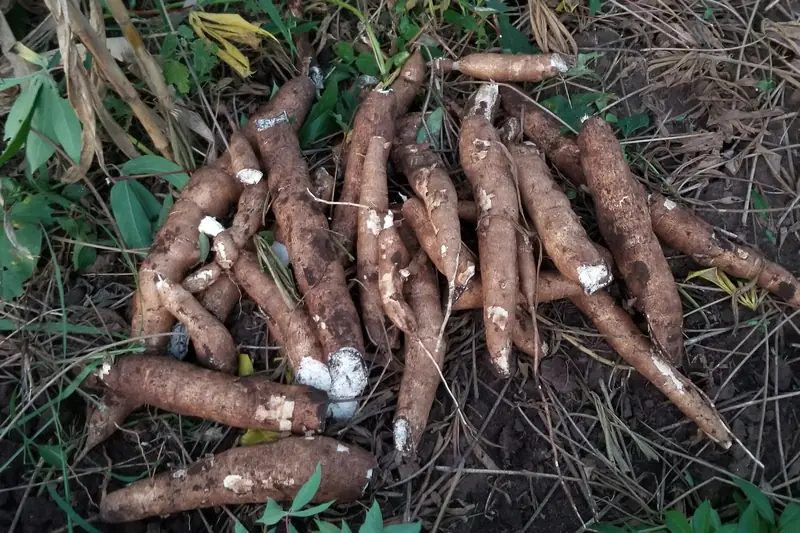
Our supply chain
From Farm to Port
Good products start with good roots, and good roots start with farmers who know they have a buyer. Here is how an order moves, step by step, and who leads each step.
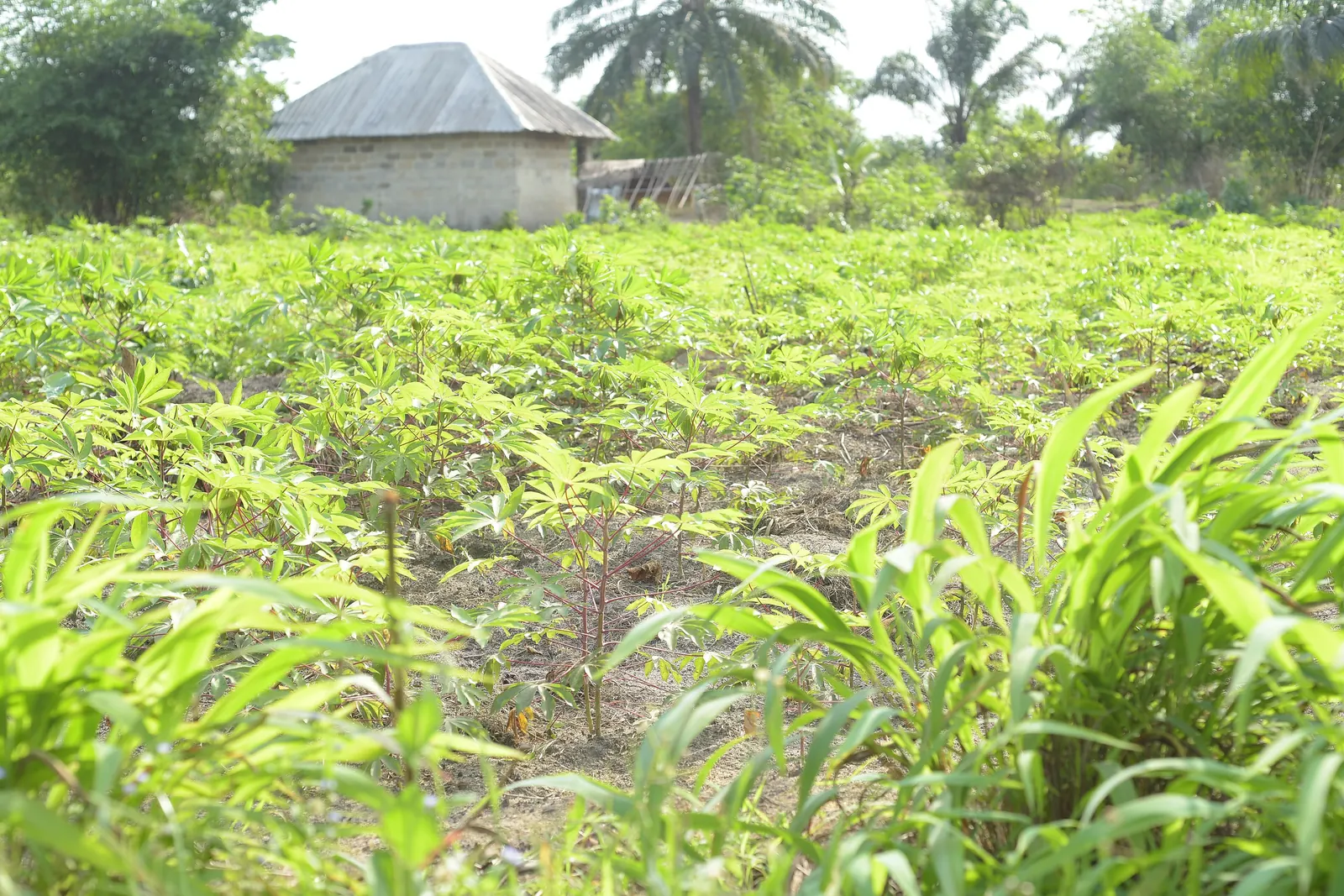
Farmer partnerships
Supply From Known Farmers, Not Open Markets
We buy from smallholder farmers and agree the terms before the crop goes in, so farmers know they have a market and you know where your supply comes from.
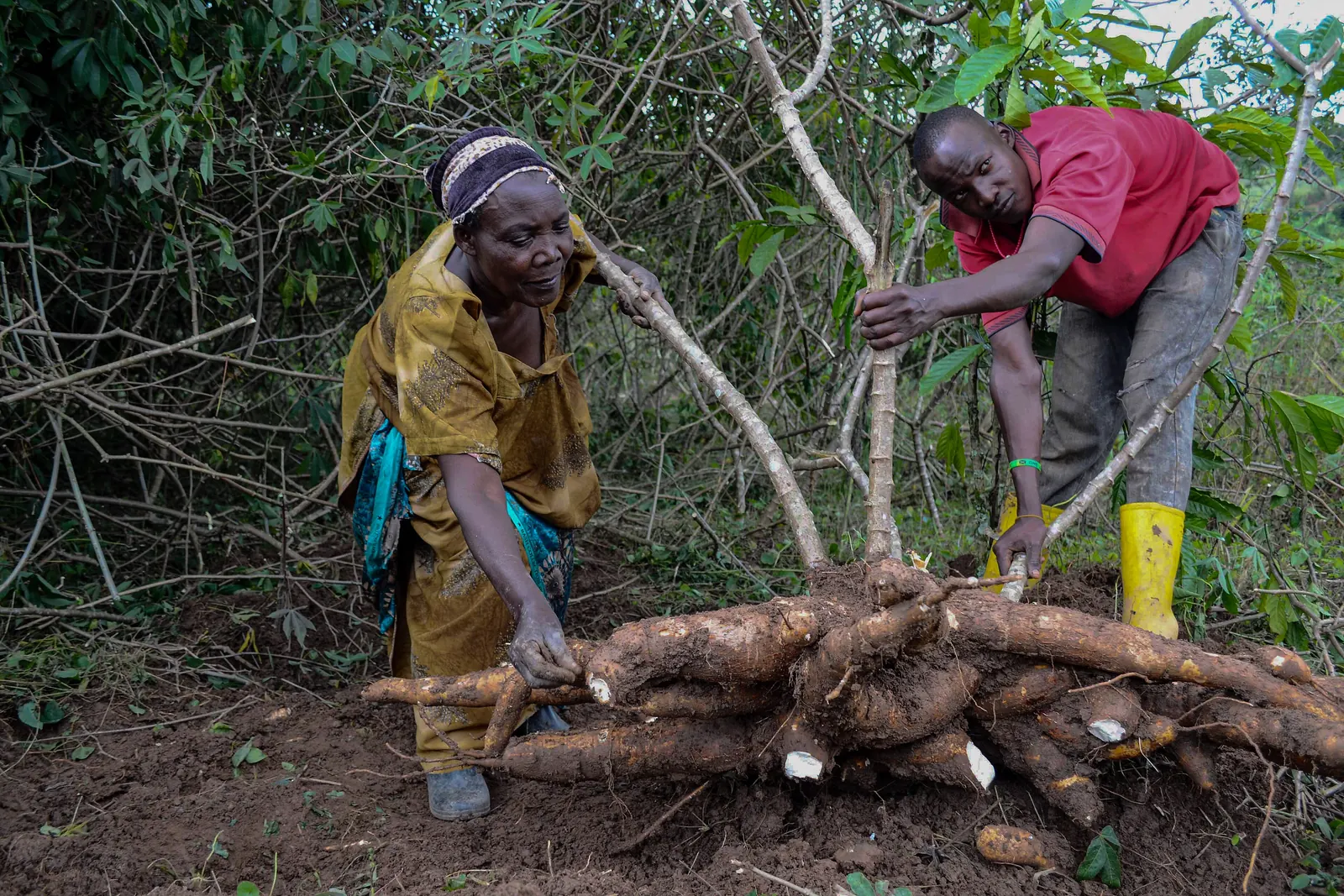
- Step 1AgreeVolumes, quality terms and prices set out before planting.
- Step 2SupportGuidance on planting material, harvest timing and record-keeping.
- Step 3CollectCollection planned with farmers so roots move soon after harvest.
- Step 4PayPrompt payment for each delivery, on the terms agreed.
Root to Port
Seven Steps From the Field to Your Door
Each step creates a record that links to the next. That chain of records is what lets any bag be traced back to the farm.
- One plan: production dates and sailing dates set together
- One document set: commercial and shipping papers checked as a set
- One contact: your Casav contact tells you where the order is
- 01
Farmer Partnerships
FarmersCasavBefore the crop goes in, we agree volumes, quality terms and prices with the farmers, in writing.
Paperwork: Supply agreement with each farmer
- 02
Farm Support
CasavWe share guidance on planting material, harvest timing and keeping simple records.
Paperwork: Farm record: planting date and field
- 03
Harvest and Collection
FarmersCasavRoots are lifted when ready and collected quickly. Every delivery is weighed and recorded by farmer and date.
Paperwork: Intake record: farmer, date, weight, condition
- 04
Processing and Packing
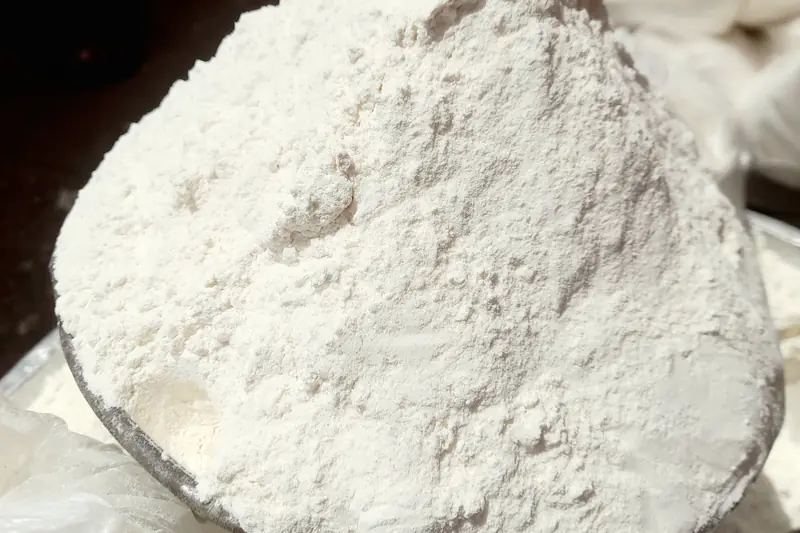
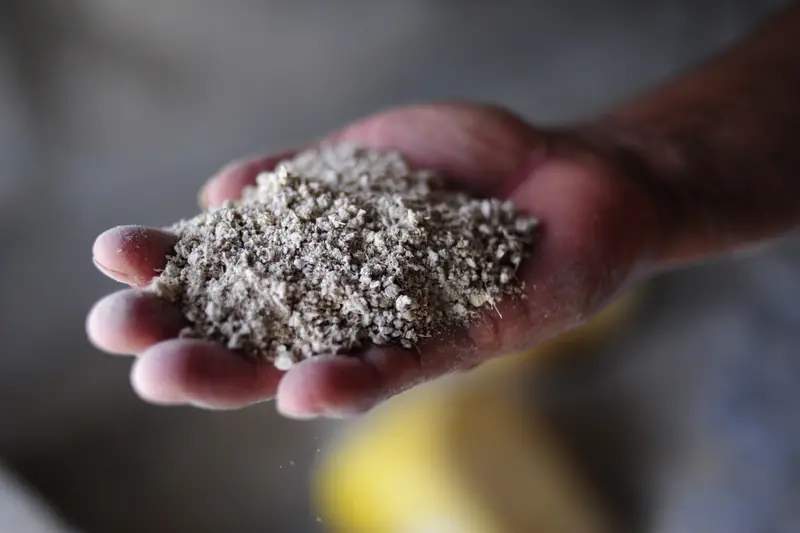
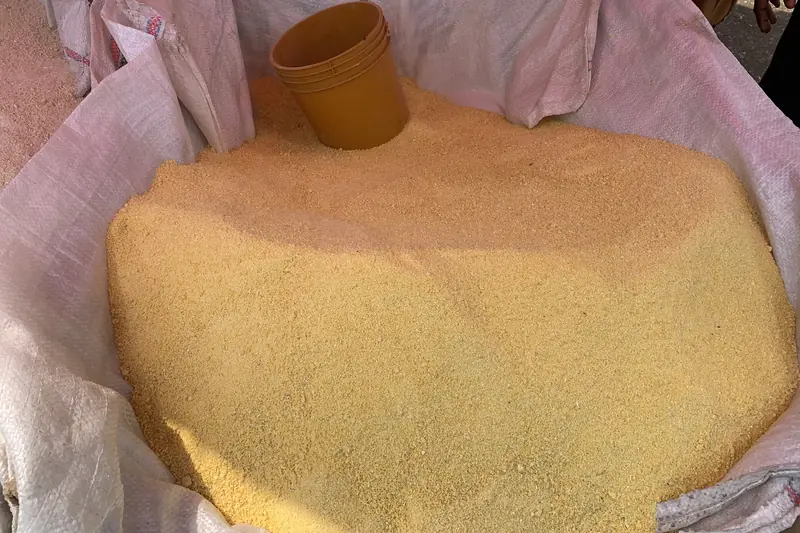
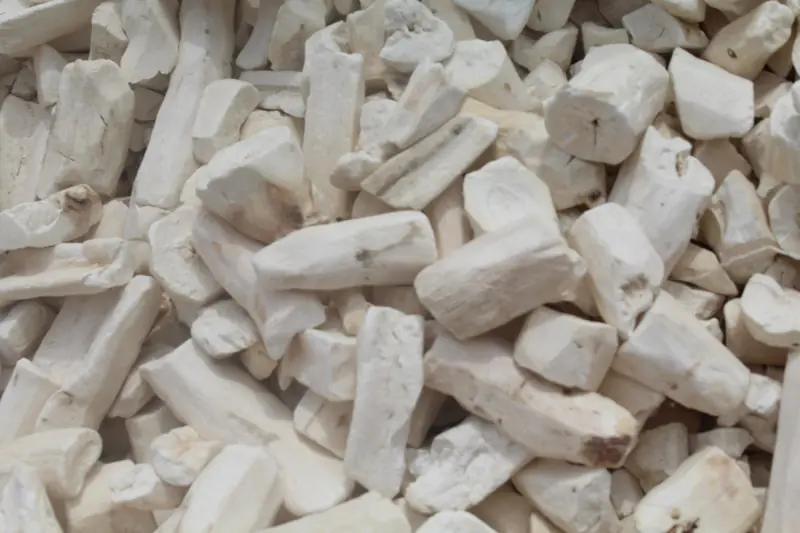
CasavRoots become flour, starch, gari or chips, each by its own route, and go into labelled bags with a lot number.
Paperwork: Batch record and lot number
- 05
Quality Checks
CasavEach lot is tested against the buyer's specification. A lot that fails is held back, never shipped.
Paperwork: Test results and a retained sample
- 06
Shipping
Williot LogisticsWilliot Logistics, our sister company, books the freight, moves the goods to port and ships them.
Paperwork: Packing list, export declaration, bill of lading
- 07
Delivery
Williot LogisticsBuyerThe goods reach you with the documents your market requires, and we ask how they arrived.
Paperwork: Document set, sent ahead so you can clear the goods
The freshness clock
Why We Plan Around 72 Hours
Fresh cassava begins to deteriorate within two to three days of harvest. Speed from the field to processing decides quality, so collection is planned before a root is lifted.
About 8 hours after harvest
Collection is planned with the farmer for the day of harvest, so roots leave the field quickly.
- Fresh
- Last day of the window
- Too late for quality product
Hours are our planning targets, not a measured record. Spoilage timing reflects general published guidance on cassava.
Planning supply
The Cassava Year in Ghana
For buyers planning annual supply: when volumes are easiest to schedule.
Why it matters: roots lift more easily from moist soil, so volumes are easiest to schedule in and after the rains. In the dry months we plan further ahead. Your order dates are confirmed in writing either way.
Shipping
Freight Planned Inside the Group
Responsibility passes from Casav to Williot Logistics at the packing stage, and to you at the point set by the agreed Incoterms rule.